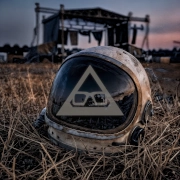
A vocal hangs in the dark for one extra second. A drum machine arrives like a distant train. Guitars blur at the edges, while a synth line holds the centre of the room. This is the space independent indietronica artists continue to protect: music that does not need to rush towards a chorus, explain every feeling, or fit neatly inside a playlist label.
Indietronica has always lived between familiar places. It borrows the emotional immediacy of indie music, then lets electronic production alter the weather around it. The result can be fragile, euphoric, nocturnal, abrasive or strangely comforting. For listeners drawn to atmosphere as much as hooks, that ambiguity is not a flaw. It is the point.
What independent indietronica artists can make possible
Without the machinery of a major-label campaign, an artist can make more deliberate choices about pace, image and intent. That freedom does not make the work easier. It often means doing the recording, visual direction, release planning and audience-building with limited time and money. But it can create a more coherent world.
An independent release can be allowed to feel like a place rather than a product. A track may open with field recordings, carry a long instrumental passage, or end before it gives the expected release. Artwork can be quiet, unsettling or abstract. A video can suggest a memory rather than spell out a plot. These choices may narrow the immediate audience, yet they often deepen the connection with the people who stay.
That matters because indietronica is rarely just about genre. It is about contrast: organic voices against synthetic textures, intimate lyrics inside vast production, warmth meeting distortion. The best songs in this space feel hand-made even when they are built from software, samplers and programmed drums.
Freedom has a cost
Independence is not a romantic escape from practical realities. Streaming income can be thin. Algorithms tend to reward frequency and fast recognition, while slower, more cinematic music may need time to find its listeners. There is pressure to post constantly, package every idea as content and turn a creative process into proof of activity.
For some artists, regular singles are the right approach. They keep momentum alive and give each song a clear moment in the light. For others, an EP or album is essential because the music gains meaning through sequence, repetition and emotional arc. Neither path is automatically more authentic. The question is whether the release shape serves the work, rather than merely meeting a platform’s appetite.
The sound is emotional architecture
A strong indietronica track is often built less like a conventional pop song and more like a scene. It creates perspective. The listener senses distance, scale, shadow and movement before they can necessarily name the instruments involved.
This might come from a treated piano pattern beneath a low synth pulse, a guitar part soaked in reverb, or drums that sound deliberately worn at the edges. It might come from restraint: leaving space around a lyric so the words have somewhere to land. Production is not decoration here. It is part of the storytelling.
That is why emotionally direct songwriting remains so important. A beautifully designed sound world cannot carry a song with nothing at stake. The lyric does not need to reveal every detail, but it should contain a real pressure point: grief, longing, disorientation, desire, memory, the uneasy hope of starting again. When the words are honest, the electronic elements become more than atmosphere. They become the feeling moving through the body.
There is also room for darkness without theatrical misery. A song can acknowledge loneliness, anxiety or emotional confusion while still leaving a small window open. The most lasting music often does not promise a clean resolution. It simply keeps someone company in the unresolved part.
A visual world gives the music another pulse
For independent artists, visual identity is not an optional layer added after the mix is finished. It is often how a listener first encounters the music. A still image on a streaming page, a few seconds of video on a mobile screen, a cover seen in a Bandcamp collection: each one sets an expectation before the first note begins.
The strongest visual worlds do not need to be expensive. They need to be consistent in feeling. Grainy night footage, a recurring symbol, washed-out colour, handwritten fragments, empty rooms or strange natural light can all become part of a release’s language. The aim is not to make every post look polished. It is to make the audience feel they have stepped into the same universe.
This is especially valuable when the music is atmospheric. Visuals can give abstract sound a physical form without reducing its mystery. A listener may attach their own meaning to a song, while still recognising the emotional terrain the artist has created.
Merch works best in the same way. A shirt, print or small physical object should feel connected to the record’s artwork, lyric or recurring image – something that extends the release rather than carrying a generic logo. When an item holds part of the world a listener has entered, it can become a keepsake rather than an advertisement.
Connection beats reach for its own sake
A million passing impressions are not the same as a community. Independent indietronica artists are often better served by finding the people who genuinely return: the listener who saves a song, watches a video twice, writes a thoughtful comment, buys a limited release or shares the music with one friend at the right moment.
This kind of connection grows slowly. It asks for clarity rather than noise. Tell people what a track is about if there is something worth saying. Share a fragment of the process when it reveals the human work behind the music. Let the release artwork, sound and words point in the same direction. Then make it easy for listeners to hear the music, follow the project and remain close to what comes next.
There is a trade-off. Being too vague can leave new listeners with nothing to hold onto, while explaining every symbol can flatten the work. A useful middle ground is to offer a door, not a diagram. Give people an emotional entry point and trust them to bring their own history inside.
For a project such as Most Epic Dream, that might mean presenting a release as a cinematic, introspective sonic journey while allowing the listener to decide what the shadows, distant voices and heartfelt melodies mean to them. The invitation is specific, but never controlling.
Why the independent path still matters
Music culture moves quickly, but human attention does not always work that way. Some songs need repeated listens before their shape appears. Some records become important because they arrive during a quiet season of a person’s life and seem to understand it without demanding anything back.
Independent artists can still make space for that kind of encounter. They can resist the idea that every track must be instantly legible, relentlessly upbeat or designed for a fleeting scroll. They can make work that is strange in the right places, patient with silence and unafraid of emotional scale.
The goal is not obscurity for its own sake. Nor is it to reject popular music. Great indietronica can be immediate, melodic and generous. It simply refuses to confuse accessibility with simplification. A memorable hook can sit beside a damaged texture. A pop structure can carry an experimental sound. A song can be both intimate enough for headphones and wide enough for a midnight drive.
If you are looking for music that leaves a little room around the edges, follow the artists making it independently. Listen past the first thirty seconds. Watch the visuals. Notice the details that recur. Somewhere in that patient attention, a song may become more than a track in a feed – it may become a place you return to when the world feels too loud.
Discover Most Epic Dream
If you’re drawn to independent indietronica that blends cinematic electronic production, atmospheric textures and heartfelt songwriting, explore the music of Most Epic Dream and discover the latest releases and back catalogue.