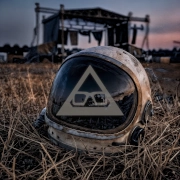
A perfect electronic sound can be strangely forgettable. A vocal that cracks slightly, a synth line that arrives late, or a drum loop carrying a bit of room noise can make a track stay with us for years. That tension is at the heart of the indietronica genre: music where electronic possibility meets the imperfect, personal instinct of indie songwriting.
Indietronica is less a strict set of rules than a meeting place. It can hold a small bedroom confession, a danceable pulse, a field recording, a wall of guitars or a melody that feels almost too exposed to sing. For listeners drawn to music with atmosphere and emotional weight, that openness is exactly the point.
Indietronica began with a useful contradiction
The name joins “indie” and “electronica”, but those words bring very different expectations. Indie traditionally suggests guitars, intimate songwriting, independent labels and a human-scale sense of risk. Electronica suggests programmed rhythms, synthesisers, samples and production techniques that can reshape sound beyond recognition.
Put them together and the contradiction becomes productive. Electronic production gives a songwriter new emotional colours: a beat can feel clinical or comforting; a reversed piano can turn memory into unease; a low synth can make a quiet lyric feel enormous. Indie sensibility keeps those choices tied to a song rather than treating them as a technical demonstration.
The genre developed through many overlapping scenes rather than one clean origin story. Acts such as The Postal Service, Lali Puna, Múm and later LCD Soundsystem showed different possibilities, while artists including Radiohead, Björk and Massive Attack helped widen the audience’s idea of what emotionally direct electronic music could be. The result was never one sound. It was permission to use whatever served the feeling.
That history matters because indietronica is often mistaken for a dated collection of soft synths and glitchy drums. Those are recognisable signposts, not the destination. The stronger thread is a willingness to let texture, arrangement and production carry as much meaning as the lyric.
The indietronica genre is built around contrast
At its best, indietronica lets opposing qualities exist in the same track. It can be warm and synthetic, detailed and raw, danceable and private. A song might begin with a close, dry vocal and gradually open into an arrangement big enough for a night drive or a film’s final scene.
The rhythmic language often sits between a live drummer’s push-and-pull and the repetition of electronic music. A rigid kick pattern can create momentum, but small changes in velocity, percussion or timing keep it from becoming anonymous. Trip-hop weight, house pulses, broken beats and minimal drum-machine patterns all appear here, depending on the artist.
Melody is equally important. Plenty of electronic music is designed around mood or groove first, and there is nothing wrong with that. Indietronica often asks more of the song itself. Even beneath layers of processing, there is usually a melodic or lyrical centre: a phrase about distance, doubt, desire or the uncomfortable work of changing.
Then there is space. Reverb, delay and sustained pads are common, but they are not automatically atmospheric. In my mixes, the more useful question is whether a spacious sound reveals the song’s emotional setting or hides a lack of focus. Sometimes a single untreated vocal line does more than ten tracks of haze. Sometimes the haze is the story.
Texture is not decoration
A key indietronica production choice is treating sound design as part of composition. The crackle before a drum enters, the unstable pitch of a sampled instrument or the mechanical breath of a sequencer can say something before a lyric begins.
This is why the genre works so well with post-rock, ambient, dream pop and dark pop influences. A distorted guitar can act like a synthesiser. A synth can take the structural role normally given to a guitar. A chopped vocal can become percussion, then return later as a human voice with new emotional force.
The trade-off is that texture can quickly become clutter. If every element is unusual, nothing feels significant. I tend to hold back one or two distinctive sounds until the moment the arrangement needs to shift. Contrast makes an unfamiliar sound feel intentional rather than merely busy.
Why it can feel more intimate than bigger pop productions
Scale does not remove intimacy. Some of the most affecting indietronica tracks sound huge because they begin with a detail that feels unguarded: a fragile vocal, a simple piano figure, a hesitant lyric or a dry drum machine ticking in an otherwise empty space.
Mainstream pop also uses electronic production, of course, but it is commonly designed to establish clarity and impact immediately. Indietronica can afford to be less certain. It may leave rough edges intact, delay its chorus or allow an instrumental section to feel unresolved. For some listeners that can seem restrained. For others, it feels closer to actual inner life, where emotions rarely arrive in neat three-minute shapes.
This does not mean indietronica has to be slow, sad or deliberately obscure. The genre has room for bright hooks, physical rhythms and joy. What separates it from pure escapism is often the shadow in the frame. Even an uplifting track can carry longing underneath it.
Artists such as M83 and The xx demonstrate opposite ends of that scale. One can make songs feel widescreen and ecstatic; the other can make silence and restraint feel monumental. Portishead brings a bruised, noir intimacy, while Bonobo shows how detailed electronic arrangement can remain warm and organic. These are not interchangeable reference points, but each helps explain why the genre reaches beyond a single palette.
Labels help listeners, until they get in the way
Genre names are useful when they give someone a path into unfamiliar music. If you enjoy Depeche Mode’s emotional severity, Mogwai’s build-and-release dynamics, Tame Impala’s warped pop instincts or Nine Inch Nails’ tension between vulnerability and machinery, “indietronica” offers a helpful starting point.
But an artist can outgrow the label song by song. A track with acoustic guitar, analog synth and programmed drums might be called indietronica by one listener, alternative electronic by another and simply indie pop by someone else. None of those descriptions changes what the song does to you.
There is also a risk in using genre as an aesthetic shopping list. Add cassette hiss, sidechain a pad, place a distant vocal over a four-on-the-floor beat, and the result may resemble indietronica without carrying its emotional logic. The genre’s better records do not sound interesting because they have the right ingredients. They sound necessary because every choice appears to belong to the same interior world.
Listening for the emotional architecture
One rewarding way to hear indietronica is to pay attention to how a track changes your sense of distance. Is the vocal speaking directly into your ear or disappearing into a larger landscape? Does the kick drum make the song feel bodily and immediate, or does it feel like a signal from another room? Does the chorus resolve the tension, or widen it?
Those decisions create an emotional architecture. A sparse first verse can make a later distorted synth feel like release. A recurring sample can become a memory. A beat dropping out before the final line can leave the listener alone with what has been said. None of this needs to be complicated, but it needs to be felt.
For a project like Most Epic Dream, that is the lasting appeal of this territory. Electronic tools can create scale, motion and unfamiliar colour, while songwriting keeps the work connected to something recognisably human. The goal is not to make machines sound human or people sound like machines. It is to let both speak in the same song.
If you are looking for your way into indietronica, start with the feeling rather than the tag. Follow the records that make you pause, replay a line or picture a world beyond the speakers. The genre is broad enough to hold that instinct, and personal enough to make it worth returning to.
Hear the genre from the inside. Most Epic Dream explores the space between electronic production, heartfelt songwriting and cinematic atmosphere. Listen to the music and discover the releases at: https://mostepicdream.com/music/