The best answer to how to discover music on Bandcamp is not to search for more music. It is to listen with a little more intention. Bandcamp can feel like a vast, unlit archive: thousands of new releases, small labels, handmade artwork and artists building entire worlds away from the algorithmic rush. The point is not to hear everything. It is to find the records that stay with you after the screen goes dark.
For listeners drawn to ambient shadow, post-rock lift, bruised electronic pop and songs that leave a little space around the edges, Bandcamp remains one of the rare places where curiosity can still lead somewhere unexpected.
Start with a feeling, not a genre
Genre tags are useful, but they are only the first door. Searching broad terms such as electronic, indie or ambient can produce a flood of results so wide that every choice begins to feel random. Begin instead with the atmosphere you want to enter.
Perhaps you are looking for music that feels like driving through rain at night, a slow-building instrumental with cinematic weight, or dark pop that is intimate rather than polished into nothing. Use a combination of tags to narrow the field. Try ambient electronic, dream pop, darkwave, post-rock, trip-hop, experimental pop or cinematic. Then pay attention to the supporting tags artists choose for themselves. They often reveal more than the headline genre.
A release tagged ambient, drone and field recordings will offer a different kind of quiet from one tagged ambient pop, synthpop and electronica. Neither is better. The useful question is whether it meets the mood you arrived with.
When a page catches your eye, listen beyond the opening track if you can. A strong first single may be the doorway, but the second or fourth track often tells you whether there is a real world behind it. Some records are built for immediate impact. Others reveal their shape slowly, like a scene coming into focus.
How to discover music on Bandcamp through tags
Bandcamp’s tag pages are most rewarding when you treat them as a trail rather than a chart. Sort through new arrivals when you want surprise, or explore popular releases when you want a sense of what a scene is gathering around. Neither route is pure. A popular release can be deeply strange and independent; a new release can be a rough early sketch. That is part of the pleasure.
Location tags can also be quietly powerful. Search a city, state or country alongside a sound, not because music must belong to a place, but because local scenes often share studios, labels, visual collaborators and a certain temperature. You may find a run of artists connected by more than geography.
Do not dismiss artwork as surface detail. On Bandcamp, the cover often acts as a first note. An image of washed-out concrete, nocturnal water, old machinery or a face half-lost in colour may not guarantee the music is right for you, but it can point towards an artist who cares about the same emotional frame you do. Let your eye help your ears choose where to begin.
Set a small limit for each session. Give three releases a proper listen instead of skimming thirty. Save the pages that stir something, even if you are not ready to buy or follow. Discovery is less exhausting when it has room for uncertainty.
Follow labels with a point of view
Independent labels are among the most dependable guides on Bandcamp. A good label does more than collect artists under one name. It develops an ear. Its catalogue might lean towards fractured club music, tender guitar experiments, cassette haze, or electronic records built with the patience of film scores.
Once you find one release you love, visit the label page and move backwards through its catalogue. Start with releases from the same year, then go further back to hear how its identity formed. Labels often expose connections that streaming services flatten: the producer who mixed several releases, the visual artist whose work appears across sleeves, or the earlier project from an artist you have only just found.
There is a trade-off here. Label loyalty can become a comfortable tunnel. If every release sounds familiar, use the label as a departure point rather than a permanent address. Look at its compilations, collaborators and artists it has supported in the past, then follow those paths elsewhere.
Let other listeners leave the breadcrumbs
Bandcamp’s community features can feel understated, which is exactly why they are useful. When someone buys a record, their collection may reveal a listening life rather than a neatly branded taste profile. Find a supporter whose purchases overlap with two or three records you already value, then browse slowly through what else they have kept.
This works especially well for niche music. A listener who owns atmospheric electronica, dark pop and post-rock records is more likely to lead you towards the spaces between those genres than a generic recommendation feed. You are not borrowing their taste wholesale. You are noticing where their path crosses yours.
Artist pages offer another kind of breadcrumb. Check who an artist follows, what labels they work with, which compilations they appear on and whether their credits mention another project. A drummer, producer or mastering engineer can become an unexpected bridge to an entirely different corner of Bandcamp.
If you make an account, follow artists and labels you genuinely want to hear from. Your feed becomes more useful when it reflects real choices rather than a pile of casual clicks. It may still be imperfect, but it becomes a living record of the sound world you are building.
Listen to full releases, not just the loudest track
Bandcamp is particularly good for artists whose work does not fit neatly into the logic of the single. An album can have pacing, silence, recurring textures and small changes in colour that make little sense when broken into isolated tracks. If you like emotionally driven music, this matters. The most affecting moment may arrive halfway through a record, after the earlier songs have earned it.
Try listening to one album while walking, making dinner, travelling on a train or sitting somewhere without another tab open. The setting changes what you hear. A track that feels too sparse through laptop speakers may become quietly immense through headphones at night.
Buying is not required for meaningful discovery, but purchasing a release you return to can change the relationship. It supports the artist directly and gives the record a place in your own collection. For independent artists, that small gesture often matters more than another fleeting stream. It also makes Bandcamp feel less like an endless feed and more like a shelf of things chosen carefully.
Build your own small constellation
Keep notes, make a private playlist elsewhere if that suits your listening, or simply return to your Bandcamp collection once a month. Write down the labels, tags and collaborators that keep resurfacing. Patterns will emerge: perhaps you are drawn to low-lit synths, restrained vocals, distorted guitars beneath electronic drums, or albums that feel like a soundtrack to a memory you cannot quite name.
That pattern is not a cage. It is a compass. Use it to find the next release, then occasionally choose something that sits just outside it. If you love trip-hop, try left-field soul. If you live in ambient music, follow a producer into minimal techno or modern classical. The best discoveries often feel adjacent before they feel obvious.
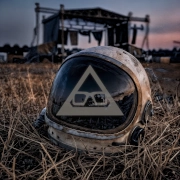
Most Epic Dream belongs to this wider independent spirit: music as a place to return to, with sound, image and feeling held together rather than separated into content. That is the quiet gift of Bandcamp at its best. It gives artists room to make worlds, and listeners room to enter them on their own terms.
The next record worth keeping may not announce itself in the first ten seconds. Give it a little time, follow the thread it leaves behind, and let your collection become a map of the music that found you when you were ready to hear it.
If you’re exploring Bandcamp for atmospheric indietronica, cinematic electronics and emotionally driven independent music, you can discover the Most Epic Dream catalogue here: https://mostepicdream.bandcamp.com