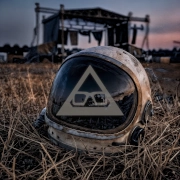
A music video can have almost no plot and still feel impossible to forget. A face half-lit by a passing car, a room with the curtains breathing in the wind, a figure walking beneath sodium streetlights: these images stay with us when they carry the same emotional weather as the song. Learning how to create atmospheric music videos is less about having a large crew or expensive camera, and more about making deliberate choices that let sound, image and feeling speak in the same language.
For independent artists making indie electronic, ambient, dark pop or post-rock work, atmosphere is not decoration. It is part of the song itself. The visual should not explain every lyric or compete with the production. It should leave enough space for the listener to bring their own memories into the frame.
Begin with the emotional temperature
Before writing a shot list, describe the track without referring to its genre. Is it the feeling of driving home too late? A memory becoming unreliable? The quiet after an argument? A moment of private transformation? Write one or two clear sentences, then collect a handful of visual words that belong to that emotional temperature: blue-grey morning, wet glass, flickering fluorescent light, empty coastal road, motel carpet, smoke, overexposed skin.
This becomes the film’s centre. If an idea does not serve it, let it go, even if the shot would look impressive on its own. Atmospheric work becomes muddy when it tries to hold every possible mood at once.
A useful test is to mute the song and look at your references. They should still feel like they come from the same world. Then close the images and listen again. You should be able to sense a similar place forming behind your eyes.
How to create atmospheric music videos from the music outward
Listen for movement, not just lyrics. A bass pulse may suggest a slow tracking shot; a sudden wash of guitars may call for a change from close, compressed frames to open landscape. A sparse verse might suit stillness and negative space, while a chorus can earn a more physical camera movement or a shift in light.
Map the track into emotional sections rather than simply marking verse, chorus and bridge. Note where tension gathers, where it breaks, and where the song feels most exposed. This map will guide your edit and prevent the video becoming a sequence of beautiful but disconnected clips.
Lyrics can be a doorway, but literal illustration is rarely the most affecting choice. If the song mentions rain, you do not necessarily need rain on screen. Condensation on a window, a soaked sleeve or headlights reflected on wet bitumen may carry the same sensation with more mystery. The aim is resonance, not a visual transcript.
Choose one visual idea with room to breathe
A strong low-budget concept is usually simple enough to say in one sentence. An artist moves through a deserted building as daylight fades. Two versions of the same person occupy the same room. A figure drives through unfamiliar streets, returning again and again to one location. Keep the idea open enough that performance, weather and accidents can add meaning.
You do not need a conventional narrative. But the viewer needs some form of change. Perhaps the light changes, the location becomes less familiar, the performer grows more present, or the camera moves closer as the track reaches its emotional core. Even abstract films benefit from an arc.
Treat location and light as characters
Atmosphere often begins before the camera is switched on. Look for places with natural texture: a stairwell, an old motel room, a warehouse, a bush track after rain, an underpass, a quiet beach at dusk. The location should have surfaces that catch light and suggest a past. Bare walls can work too, but then the lighting and composition need to do more of the storytelling.
Scout at the same time of day you plan to shoot. A location that feels ordinary at midday might become uncanny at blue hour. Notice practical light sources such as lamps, signs, passing traffic, windows and old fluorescent tubes. They make an image feel inhabited, and they are often more convincing than a heavy lighting setup.
Use a limited palette. You might work with cold cyan and sickly green, warm amber against deep shadow, or faded earth tones with a single red detail. The point is not to make every frame match perfectly. It is to give the film a visual memory. When a colour returns, the audience feels that they are still inside the same dream.
Low light is useful, but darkness alone is not mood. Make sure there is a reason to look. Shape a face with side light, allow highlights to glow on glass, or place a silhouette against a doorway. If the audience cannot read the image at all, they cannot feel its tension.
Make performance feel lived-in
Many atmospheric videos become more powerful when the performer resists the urge to act every word. A direct lip-sync can work beautifully for a song that needs confrontation or confession, but it can feel too explanatory for music built on ambiguity. Consider moving between performance and presence: a few moments of eye contact, then a glance away, a walk, a hand against a wall, stillness in a room.
Give yourself an action rather than an emotion to perform. Instead of trying to look lonely, pack a bag slowly, wait for a lift, stand under running water, trace a mark on the wall, or search through a drawer. Small, repeatable actions give the body something truthful to do. The emotion arrives through restraint.
Film more takes than you expect to use, especially when there is wind, water, smoke or changing natural light. The imperfect take may be the one with the real spark: a missed glance, a breath before the vocal enters, a moment when the performer forgets the camera.
Build texture without burying the image
Texture can make digital footage feel tactile and strange. Reflections, prisms, dirty glass, projected light, fabric in front of the lens and subtle motion blur can all introduce instability and depth. These techniques are most effective when they emerge from the visual world, rather than appearing as an effect applied to every shot.
Use slow motion carefully. It can make a gesture feel suspended and intimate, but too much of it makes every scene feel equally significant. The same applies to grain, glitch effects and extreme colour grading. A little imperfection can create atmosphere; a constant layer of effects can become a shield between the audience and the feeling.
If you have limited gear, work with what the camera does well. A mobile can create striking close-ups in soft window light. An older camera may bring a pleasing softness or noise to night scenes. A tripod can create tension through stillness, while a handheld shot can make the viewer feel physically close. Equipment changes the process, but it does not replace judgement.
Edit for feeling, not coverage
The first edit should follow the emotional map you made while listening. Place your strongest images at the points where the track asks for them, then leave room between them. Do not cut on every beat just because the music is rhythmic. Holding a shot longer than expected can create unease, tenderness or longing.
Pay attention to transitions in sound. A vocal inhale, a drum entering, a reverb tail or a brief pocket of silence can be a more evocative cue than the obvious downbeat. Let a shot begin before its emotional purpose is fully clear. Let another linger after the music has changed. That slight mismatch can make a video feel less designed and more dreamlike.
When reviewing the cut, ask a hard question: does each scene reveal a new shade of the song? If it only repeats an idea you have already established, remove it. An atmospheric music video needs patience, but it also needs intention. Slow pacing is not the same as empty pacing.
Keep the world coherent after the shoot
Colour grade for continuity before chasing a dramatic look. Balance exposure and skin tones, then shape the shadows, contrast and colour toward the mood you chose at the start. Watch the video on a laptop, a television and a mobile. Deep blacks that feel cinematic in an editing suite can become featureless on a phone.
Create supporting visual pieces from the same world: a short performance fragment, a close-up of a recurring symbol, a still image that feels like a lost frame from the film. These should feel like entrances to the same place, not unrelated promotional scraps. For a project such as Most Epic Dream, where the visual identity carries as much weight as the atmosphere in the music, that continuity helps a release feel like a place listeners can return to.
Leave one thing unexplained. A recurring light in the distance, a character who is never fully seen, a door that is never opened. The best atmospheric videos do not demand that viewers solve them. They give the song another life after the screen goes dark, and invite each person to find their own meaning there.
Watch atmospheric music videos from Most Epic Dream, where cinematic imagery and emotional electronic music belong to the same world: https://www.youtube.com/@MostEpicDream