A new indie album release in 2026 has to do more than simply appear on streaming services and hope the right listeners stumble across it at 1 am. The albums that stay with people now tend to arrive with a sense of place – a visual language, a mood, a deeper emotional logic. Not louder. Just more fully formed.
That matters because indie listeners have become sharper, not shorter in attention. They can tell when a record has a world around it and when it is just content in a queue. For artists working in electronic, dark pop, ambient or post-rock spaces, that difference is everything. You are not only asking someone to press play. You are asking them to trust a feeling.
Why a new indie album release 2026 feels different
The old release model has thinned out. A neat announcement, a lead single, a launch day post, then silence – that shape still exists, but it rarely carries much weight on its own. Listeners discover music in fragments now. A visual clip on YouTube. A late-night playlist placement. A track used in a short-form video. A Bandcamp browse that turns into a full-album listen because the artwork feels strange and beautiful in exactly the right way.
So when people talk about a new indie album release in 2026, they are really talking about more than an album. They mean the full surface area of a release – the sound, the visual identity, the emotional through-line, the pacing of how it enters the world, and whether it offers something that feels human rather than engineered.
This does not mean every record needs a giant campaign. Quite the opposite. Independent releases often work best when the vision is tight. One strong image can say more than twenty posts. One carefully chosen single can create more intrigue than a drawn-out rollout with no centre. Restraint has become part of the art.
Atmosphere is not a bonus feature
For listeners drawn to indie electronic and emotionally detailed records, atmosphere is not decoration. It is structure. It tells you how to listen. It creates tension before the first chorus, and memory after the last fade.
That is why so many memorable independent releases now feel cinematic without becoming overstated. The production might be spacious, the vocals intimate, the drums distant or distorted, the synths warm one moment and corroded the next. None of that works if it is only aesthetic styling. It has to serve the emotional centre of the songs.
The strongest albums in this space often understand contrast. Beauty against abrasion. Silence against impact. Confession against abstraction. If everything is huge, nothing is. If everything is sad, the feeling flattens. The records people return to usually leave some shadows in the frame.
This is especially true in a crowded year. A listener might hear hundreds of new releases without remembering more than a handful. Mood alone is not enough. But mood with clarity – that lands.
What listeners actually want from a release now
Most serious music fans are not asking for perfection. They are asking for conviction. They want to feel that the artist meant this exact sequence of songs, this exact artwork, this exact tone. Even when the record is messy or strange, there is value in that coherence.
Streaming has changed habits, but not desire. People still want records that help them locate themselves emotionally. A good album can become a room they re-enter. It can soundtrack long drives, quiet weekends, grief, change, insomnia, relief. The platforms have changed. That need has not.
This is one reason direct artist worlds matter more than generic promotion. When a release includes thoughtful visuals, lyric fragments, video textures, or limited merch that actually belongs to the album’s identity, the experience deepens. It stops feeling transactional. It feels inhabited.
For an artist-led project like Most Epic Dream, that kind of release thinking makes sense because the music and visual atmosphere are already speaking the same language. The songs do not need a marketing costume thrown over them after the fact. They need a frame that lets the emotional detail come forward.
The practical shape of a strong release
A lot of independent artists still face the same tension – whether to release quickly and stay visible, or take longer and build something lasting. There is no fixed answer. It depends on audience size, genre, resources and how complete the creative vision really is.
But in practice, the strongest independent release cycles in 2026 tend to share a few traits. First, they make the lead single do a real job. It should not just be the first track finished. It should open the door to the album’s emotional world. Second, the visuals should arrive early enough to become recognisable. If every post looks unrelated, the release loses shape before it begins.
Third, the artist needs a place where deeper listeners can actually stay. Streaming matters, obviously. But Bandcamp, YouTube, mailing lists and direct follow channels still matter because they create continuity after release week passes. A casual listener may save a song. A real fan wants somewhere to return.
That does not mean every release needs a complicated funnel. It means the path from discovery to connection should feel natural. Hear the track. Watch the video. Read the words. Follow the project. If the world feels coherent, people keep moving closer.
The trade-off between singles and albums
One of the stranger pressures around any new indie album release 2026 is the idea that albums need to justify their own existence. Singles are easier to circulate. They fit better into algorithmic systems. They ask less of the listener.
And yet, for artists making immersive work, the album still matters because some emotional arcs only make sense over forty minutes. Some themes need repetition, drift, interruption and return. You cannot compress every feeling into a standalone track built for immediate response.
The trade-off is real. If you release only albums with no breadcrumb trail, you risk disappearing between projects. If you release only singles, you may gain momentum but lose depth. Many artists are settling into a middle path: singles that carry their own identity, then an album that recontextualises them. When it works, earlier tracks feel changed by the full record around them.
Visual identity has become part of the music
This can sound superficial until you see it done properly. A release image, a music video, a type treatment, even the pacing of short clips – all of it shapes expectation. For cinematic indie and alternative electronic music, visuals do not sit beside the songs. They help define the emotional weather.
The best visual identities are not overexplained. They leave room for the listener. A blurred face, a concrete sky, an abandoned interior, a recurring symbol, a washed-out frame that feels like memory rather than information – these things can hold a record together without reducing it to branding language.
That is where many independent releases quietly separate themselves from disposable ones. You can feel when the artwork came from the same nervous system as the music.
What artists should resist in 2026
The temptation is always to imitate what appears to be working. Shorter intros. Faster hooks. More posts. More urgency. More noise. Sometimes that helps at the edges, but it can also flatten the very thing that made the artist worth hearing.
Not every track needs to explain itself in the first ten seconds. Not every album needs ten different visual concepts. Not every campaign needs to perform excitement. If the record is intimate, let it be intimate. If it is bleak, strange, tender or unresolved, let the release carry that truth.
Listeners who love independent music are usually looking for signs of life, not polish for its own sake. They respond to specificity. A cracked vocal, a patient build, an image that feels haunted, a lyric that says the difficult thing plainly. Those details travel further than generic confidence.
Where the real value still lives
A release does not become meaningful because everyone sees it. It becomes meaningful because the right people feel seen by it. That is a quieter metric, but a more durable one.
For independent artists, especially those building an audience across streaming, video, direct support and merch, that changes the goal. The aim is not maximum exposure at any cost. The aim is resonance strong enough to create return. One listener who streams the album, watches the visual piece, follows the project and buys something connected to the world of the release is worth more than a thousand passive plays that vanish by morning.
Maybe that is the real shape of the new indie album release 2026. Less spectacle, more presence. Less trend performance, more emotional architecture. A record with a pulse, arriving with enough care that it can find the people who were already waiting for it without knowing its name.
If you are releasing music into that landscape, make something that feels inhabited. People can hear the difference.
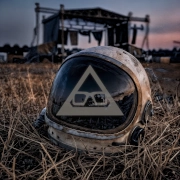
Polymorphic by Most Epic Dream was built with that in mind: a cinematic indie electronic album shaped around transformation, atmosphere, emotional fracture, and the pull between fire and water. The music, artwork and visual world are all part of the same story.
Listen to Polymorphic: https://tr.ee/JGmna8